
Glenorchy joins a global conversation about protecting the places we love
Share this page
-
There's a pretty extraordinary list of places selected for the National Geographic Society's Preserving Legacies programme. From World Heritage sites and important cultural landscapes to river catchments and biodiversity hotspots, each has been recognised for the heritage it holds and the communities working to protect it in a changing climate. Now, Tāhuna Glenorchy is one of them.
Preserving Legacies selects a small number of sites each year to receive training, support and access to an international network focused on safeguarding cultural and natural heritage from climate change.
Why Glenorchy?
Most places are known for a single defining feature.
Tāhuna Glenorchy somehow manages to be several things at once. It's a place of deep cultural significance for mana whenua, a working rural community, the gateway to Te Wāhipounamu, a haven for biodiversity and a landscape that draws visitors from around the world.
For more than 800 years, the head of Lake Whakatipu has been a place of travel, learning, food gathering and pounamu collection. Today, those cultural connections sit alongside rich biodiversity, a strong sense of community and a landscape already experiencing the impacts of climate change.
But perhaps the real reason Glenorchy stood out is something less tangible.
People here understand that everything is connected.
The health of the river affects the lake. The health of the forests affects biodiversity. The wellbeing of the community is tied to the health of the landscape around it. Climate change doesn't neatly affect one thing at a time, and neither do the solutions.
It's a way of thinking reflected in QLDC's Climate and Biodiversity Plan and its braided river approach. Just as a braided river is made up of many channels that weave together and influence one another, climate, biodiversity, water, heritage, economy and community are deeply interconnected.
You can't pull one strand without affecting the others.
Looking after what matters
One of the things that makes Glenorchy's selection particularly fitting is that the community is already doing much of this work.
Local groups, mana whenua, schools, conservation organisations, landowners and volunteers are restoring habitats, protecting biodiversity, reintroducing native species, caring for heritage and strengthening community connections to place. Initiatives like the work of Southern Lakes Sanctuary demonstrate what can be achieved when people take a long-term view of what they're trying to protect.
The Preserving Legacies programme builds on that foundation. Local custodians work alongside their communities learning from global expertise while developing locally tailored strategies to help protect both natural and cultural heritage from climate change impacts.
What role is QLDC playing?
We’re supporting local leadership and helping connect communities with the knowledge, tools and resources needed to plan for the future.
That includes work to better understand climate risks, visualise future hazards, support community engagement, share local stories and develop practical adaptation strategies to help protect the area's cultural and natural heritage.
Nobody expects Glenorchy to stay exactly the same forever.
The challenge is making sure the things that give this place its identity are still here for future generations.
The world is paying attention
There are beautiful places all over the world.
What makes Tāhuna Glenorchy stand out though, isn't just the scenery. It's the way the community continues to care for it.
Being selected for Preserving Legacies is recognition of a place where culture, biodiversity, history, landscape and community are inseparable, and where people are already rolling up their sleeves to protect all of them.
Like a braided river, Glenorchy's future depends on many strands flowing together.
This recognition suggests the rest of the world sees that too.
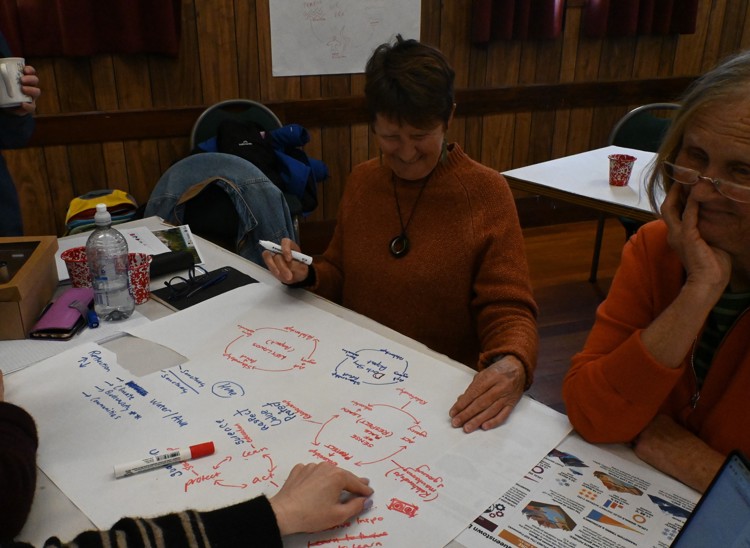
Preserving Legacies workshop held in September 2026