Caught in the rat race: beech forest masting
Share this page
-
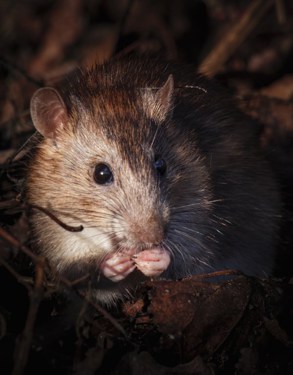
Masting; the irregular, synchronised production of huge seed crops, is one of the most fascinating phenomena of our native ecosystems. Walking through a beech forest in a mast year, you should experience a forest floor carpeted with seeds, the air alive with birdsong, and the sense that nature is celebrating abundance. However, although masts provide lots of food for our native species, it also, unfortunately, provides lots of food for rats and mice whose populations significantly increase or plague. Following this, stoat populations boom due to them feasting on rodents. As the rodent populations decrease, the stoats turn to feasting on our native species.
Beech forests are a defining feature of our local landscapes. You’ll find them throughout Mount Aspiring National Park; in the Dart and Rees and Routeburn Valleys near Glenorchy, in the Mātakitaki/Matukituki Valley near Wānaka, and stretching through Makarora. These forests are biodiversity hotspots, home to species like mohua, kākā and rifleman.
But climate change may be disrupting the natural rhythm of masting. Warmer temperatures and shifting seasonal patterns could increase the frequency of mast years, creating more opportunities for predators like rats and stoats to thrive, and the consequences for native biodiversity are serious.
The science of masting
Triggered by climate:
- Beech trees mast when a summer is warmer than the previous one, stimulating flowering and seed production.
- Scale of abundance: A mast can produce up to 250 kg of seed per hectare, a feast for wildlife.
Department of Conservation (DOC) scientists have confirmed that the next major mast is underway, following widespread flowering observed this spring. This is expected to be one of the largest mast events since 2019, particularly in western and southern South Island forests.
-
Responding to the challenge
The Climate and Biodiversity Plan 2025–2028 recognises the risks posed by mast years in a changing climate and through community partnerships we support conservation initiatives.
DOC has ramped up its predator control work and extensive community predator control work across the district can help to mitigate some of the impact. Over recent years, largescale trapping networks and coordinated operations formed the foundation for ambitious recovery projects, such as the reintroduction of takahē in the Rees Valley, and mohua in the Mātakitaki/Matukituki.
This groundwork is critical. Suppressing predator numbers ahead of the mast may help protect native species when rodent populations inevitably surge with the seed fall.
These efforts mean that when the predator plague arrives, the district won't be starting from scratch; instead, it will be building on years of community driven and science led groundwork.
Masting is one of nature’s great events, but climate change could cause this phenomenon to push our native taonga to their limits. It makes the need for strong predator management all the more important. By working together, QLDC staff, partners, and our community can keep the pressure off by keeping predator populations under control and help ensure that mast years remain a celebration of abundance, not a crisis for biodiversity.
-
Did you know?
- Mast years happen every 2–6 years, triggered by warmer summers.
- Beech forests can produce trillions of seeds in a single mast.
- Rat populations can grow up to nine times normal levels after a mast.